
If the cremation has been done and you are now looking for where the ashes should be immersed, this page sets out plainly how asthi visarjan is performed at Gokarna — when the rite is done, what your family needs to bring, how long the morning takes, and how a priest is arranged at short notice. Very little has to be decided in advance. A phone call to +91 83109 37047 is enough to fix the day.
Also known as: Asti Visarjan · Ashti Visarjana · Ash Immersion
| Duration | Approx. 1–2 hours |
|---|---|
| When it is done | Any day; commonly within 10–13 days of cremation |
| Who performs it | An immediate family member of the departed |
| Where | Koti Teertha and the sea at Gokarna, Uttara Kannada, Karnataka |
| What we arrange | Visarjan rites, teertha arrangements, priests |
| How to arrange it | Phone or WhatsApp — usually confirmed the same day |
What is asthi visarjan?
Asthi means the bones and ashes that remain after cremation; visarjan means releasing them. Asthi visarjan is the rite in which those remains are given back to sacred water, so that the body is restored to the elements it was made of and the departed is free to continue the journey the shraddha rites describe.
It follows a fixed order. After the antyeshti, the remains are gathered on an appointed day — this collection is called asthi sanchayana — and kept in an earthen or copper kalasha. The kalasha is then carried to a teertha and immersed with mantras, with sesame and water offered in tarpan for the departed. The Garuda Purana, which is the text families are usually read from during the mourning days, treats cremation, immersion, the pinda offerings and the twelfth- and thirteenth-day rites as one continuous act of care rather than separate ceremonies. Asthi visarjan is one step in it, and a necessary one. You will see it written as asthi visarjan, asti visarjan, ashti visarjana or simply ash immersion; all refer to the same puja.
When is asthi visarjan performed after cremation?
In most families the remains are collected on the third or fourth day after the cremation, and the immersion is done before the rites of the tenth, eleventh or thirteenth day. That is why the pooja services we are asked for most often in a single visit are the visarjan followed immediately by pind daan.
That window is a custom, not a deadline, and it matters to say so, because families who could not travel in time often arrive here worried that they have failed the departed. They have not. Asthi visarjan needs no auspicious muhurta in the way a wedding does. It is performed on the day the family is able to come — a month later, on the tithi of the death, on the first death anniversary, or during the Pitru Paksha fortnight, when many families combine it with Mahalaya shraddha and tarpana.
Where the ashes have been kept at home for a long period, priests here usually suggest performing the preta rites alongside the immersion rather than the immersion by itself. Mornings are preferred, so it helps to reach Gokarna the previous evening if you are travelling any distance.
Where is asthi visarjan performed in Gokarna?
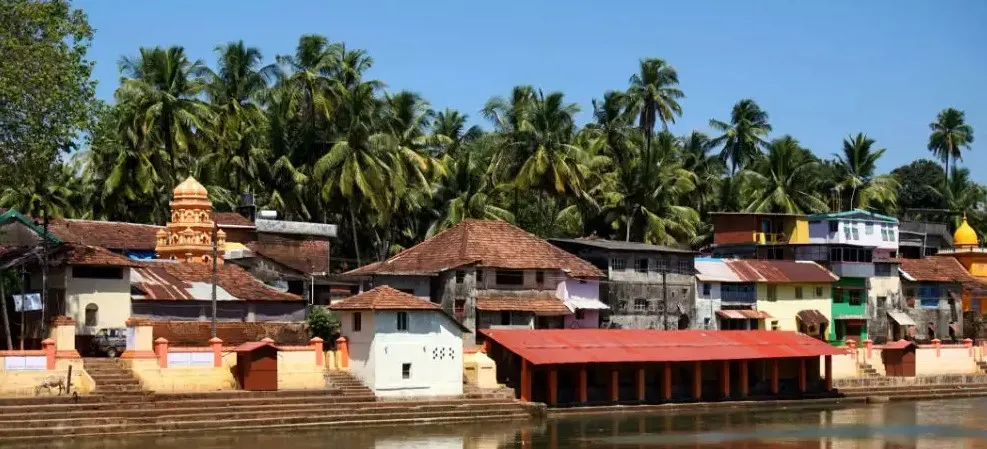
Gokarna is a teertha kshetra rather than a single temple, and the rite is done at water, not indoors. The two places used most are Koti Teertha, the sacred tank a short walk from the Mahabaleshwar temple, and the sea at Gokarna's main shore, a few minutes from the temple gate.
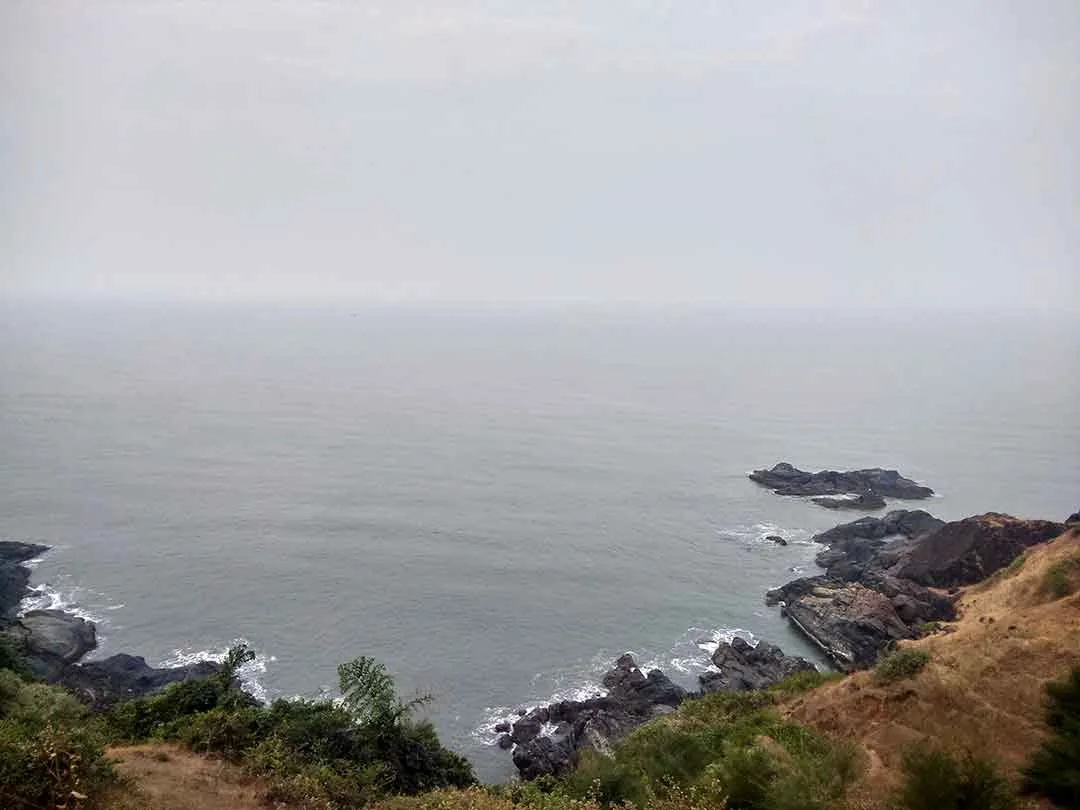
What gives the town its standing for these rites is its geography. Gokarna sits on the Karnataka coast between two rivers — the Gangavali to the north and the Aghanashini to the south — and both end their course in the Arabian Sea close by. A sangam, where river water joins the sea, has always been held the most fitting place to release the remains of the dead, and Gokarna has that meeting of waters on either side of it as well as the open sea in front. Families who ask specifically about Tamraparni Teertha, one of the older ponds associated with the kshetra's ancestral rites, should mention it when they call. Which teertha is used depends on your family's practice, the tithi and the state of the tide, and the priest confirms it before you set out.
Why do families choose Gokarna for the ash immersion?
Gokarna is called Dakshina Kashi, the Kashi of the south, and Bhookailasa. The reason is the Atmalinga installed here — the Shiva linga that, in the account preserved in the Skanda Purana, Ravana was carrying to Lanka and was made to set down at this spot, after which it could not be lifted again. A kshetra where Shiva is present in that form has been used for pitru karya for as long as the town has existed.
There is a practical reason too. For families in Karnataka, Goa, Maharashtra, Andhra Pradesh and Kerala, Gokarna is reachable in a day, which Kashi and Gaya are not. And because the same kshetra can host the immersion, the pinda offerings and the later remedial poojas, a family that has just had a death is not obliged to plan several separate journeys at a time when it can least manage them.
Call +91 83109 37047 (Vishu Guruling) for all Gokarna pooja details
WhatsApp UsAsthi visarjan procedure step by step
The vidhi is short, and the family is guided through every part of it. Nothing is expected of you beforehand.
- Meeting the priest and snana. You are met at the agreed point near the temple, and the person performing the rite bathes and changes into fresh, preferably new, clothing.
- Sankalpa. The purpose of the puja is formally stated — the departed person's name, gotra and date of death, and the name of the family member performing it. This is the one part for which we need details in advance.
- Purification of the kalasha. The vessel holding the asthi is set down at the teertha and honoured with water, milk, turmeric, sandal paste, flowers and darbha grass.
- Tarpana. Water mixed with black sesame is offered to the departed with the prescribed mantras, the offering made through the palm in the manner used for pitru karya.
- The visarjana. The remains are released into the teertha or carried into the sea and released there, facing the prescribed direction, while the mantras of release are recited.
- Final offerings. Water is offered a last time, and where the family has chosen to continue with pind daan the pinda offerings begin here.
- Departure. The karta bathes again, and in most traditions the family leaves the water without turning back. The rite ends there.
What to bring for asthi visarjan at Gokarna
The family brings
- The asthi kalasha, as it was given to you
- The departed person's name, gotra and date of death
- The name and gotra of the person performing the rite
- A dhoti or fresh set of clothes for the karta, and a towel
- Death and cremation certificates, if you are flying or taking a long-distance train with the kalasha — carriers commonly ask for them
We arrange
- The officiating priests and the recitation
- Til, darbha, flowers, vessels and all visarjan samagri
- Access and arrangements at the teertha
- Pind daan, tarpan or shraddha on the same day if you want them
- Guidance on where to stay if you are arriving the night before
Who can perform asthi visarjan?
The rite is performed by an immediate family member of the departed — most often the son, and where there are several, usually the eldest. A grandson, brother, nephew or adopted son performs it in the absence of a son, and where a family has no male heir, a daughter does. Practice on this differs genuinely between regions and communities, and we do not impose one reading on a grieving family; tell Gurulingaji what your family follows and he will conduct it accordingly.
Only one person acts as karta and handles the kalasha. Everyone else may be present at the water, and there is no restriction on children or on relatives of another gotra attending. If your family is still within the ashaucha period of mourning, say so when you call, so that the order of the rites is set correctly.
How long does the rite take, and how much time to keep in Gokarna?
The immersion itself, from sankalpa to the last offering of water, takes roughly one to two hours. Families who come only for the visarjan generally arrive early, finish by mid-morning and travel back the same day. Keep longer if you intend to do more: pind daan and pinda pradana at Koti Teertha add two to three hours, and the larger remedial rites — Moksha Narayana Bali or the preta rites — need a separate day and usually a night's stay. If you are unsure what your family needs, describe the circumstances of the death on the phone and you will be told honestly whether anything beyond the immersion is called for.
What does asthi visarjan at Gokarna cost?
We do not publish a figure for this rite, and you should be wary of anyone who quotes one before knowing your situation. The dakshina is decided by how many priests officiate, which teertha is used, the samagri required, and whether shraddh, tarpan or pinda daan are added on the same day. A family coming for the immersion alone and a family completing the thirteenth-day rites together are not asking for the same work.
Call +91 83109 37047 or +91 88613 21496, describe what has happened and what you would like performed, and the exact amount is told to you before you travel — not after you arrive. The pooja cost page explains what goes into the dakshina for each ritual, and you can send an enquiry if you would rather write than talk.
Which rites are usually performed after asthi visarjan?
The immersion completes the disposal of the body. What follows attends to the departed soul, and families normally take up one or more of these in the weeks and months after:
- Pind daan and tarpana at Koti Teertha — the pinda offerings that sustain the departed on the journey, performed on the same visit or during Pitru Paksha.
- Preta dosha nivarana and pretha shaapa vimochana — where the death was sudden, unnatural or long unattended by rites, and the family senses that the soul has not settled.
- Moksha Narayana Bali puja — the rite for release from the cycle of rebirth, performed particularly after an untimely or unnatural death.
- Pitru Paksha shraddha and tarpan — the annual fortnight in which the whole lineage is remembered, and the varshika shraddha on the death anniversary thereafter.
Can asthi visarjan be arranged if the family cannot travel to Gokarna?
Yes. Families settled abroad or too unwell to travel ask this often, and it is a settled practice rather than a concession. The asthi is brought by a relative or sent, and the visarjana is performed here in the name and gotra of the family, with the sankalpa taken on their behalf. You are told the day and time beforehand, can join by video call, and receive photographs afterwards. The same applies to the shraddh and tarpan that follow — see online and remote pooja booking.
How to arrange asthi visarjan at Gokarna
- Call or send a WhatsApp message with the date of the cremation, where you are travelling from and when you can reach Gokarna.
- The priest confirms the day, the time to arrive, the teertha and where to meet. In most cases this is settled in the same conversation.
- Bring the kalasha and the details for the sankalpa. Nothing else is needed from you.
- The rite is performed in the morning. If you have also asked for pind daan or shraddha, they continue from there.
The poojas are conducted by Vishweshwar D. Bhat Gurulingaji, Kshetra Gokarna Purohit, and the priests of his family; you can read about them on the about us page. If this is your first visit to the town, Welcome to Gokarna covers how to reach it and what to expect when you arrive.
Related poojas at Gokarna
Pind Daan at Gokarna
Pinda offerings and tarpana at Koti Teertha for the peace and liberation of departed ancestors.
Preta Dosha at Gokarna
Tarpana, pindadan and homas that help restless departed souls find peace.
Moksha Narayana Bali Pooja at Gokarna
Sacred ritual to free departed souls from the cycle of rebirth and help them attain moksha.
Frequently asked questions
How many days after death is asthi visarjan performed?
Where is asthi visarjan done in Gokarna?
How long does the asthi visarjan puja take?
What do we need to bring for asti visarjan?
Who can perform asthi visarjan — can a daughter do it?
What is the cost of asthi visarjan in Gokarna?
Can asthi visarjan be done months or years after the cremation?
Can you perform the rites if we cannot travel to Gokarna?
Should pind daan be done on the same day as ashti visarjana?
Perform Asthi Visarjan at Gokarna
Speak to Vishweshwar D. Bhat Gurulingaji for auspicious dates, the vidhi procedure and complete arrangements for your visit.