
Shree Kshetra Gokarna, on the Karnataka coast in Uttara Kannada district, is one of the few places in India where the whole range of pitru karya — the rites owed to departed ancestors — can be completed inside a single sacred precinct. Families come here for Narayan Nagbali and Moksha Narayana Bali, for shraddha and tarpana, for naga dosha and sarpa dosha remedies, and for the ash-immersion rites that follow a death. This page lists every pooja we perform, explains which ritual answers which problem, and sets out how the booking, the dakshina and the arrangements actually work.
A note on names first, because devotees write to us in half a dozen spellings. Pooja, puja and the Kannada pooje are the same word; so are pitru dosha and pitra dosh, shraddha and shradh, nagbali and nagabali, nivarana and nivaran and parihara. And this is Gokarna in Karnataka — the temple town of Lord Mahabaleshwara near Kumta and Ankola, not Gokarna in Nepal and not the Mahabaleshwar hill station in Maharashtra.
Call +91 83109 37047 (Vishu Guruling) for all Gokarna pooja details
WhatsApp UsWhat pooja and puja services are performed at Gokarna?
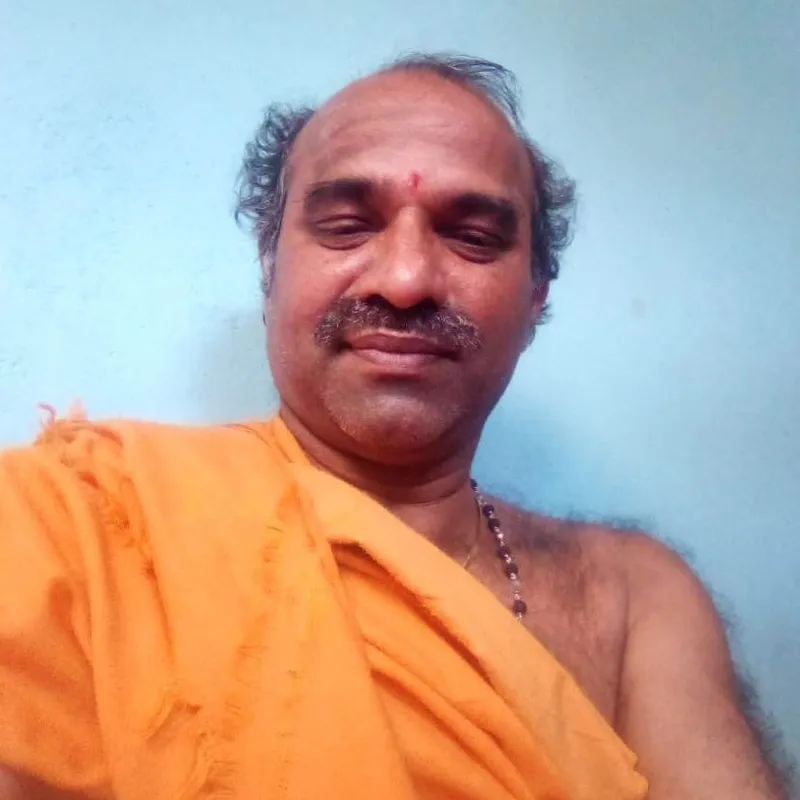
Every ritual below is performed by Vishweshwar D. Bhat Gurulingaji, Kshetra Gokarna Purohit, and the Vedic priests of the kshetra, at the Shree Mahabaleshwar Temple compound and its teerthas. Each has its own page with the vidhi krama, the tithis on which it is performed and what your family needs to prepare.
Moksha Narayana Bali Pooja
Also known as Narayan Bali Puja, Narayana Bali Pooja, Narayanbali, Moksha Narayan Bali
Sacred ritual to free departed souls from the cycle of rebirth and help them attain moksha.
Moksha Narayana Bali Pooja at GokarnaTripindi Shraddha
Also known as Tripindi Shradh, Tripindi Shraddh Puja, Thripindi Shraddha
Three-pinda offering honouring paternal, maternal and one's own ancestral generations.
Tripindi Shraddha at GokarnaTila Havana
Also known as Thila Homam, Tila Homa, Til Homam, Tila Havan
Sacred fire ritual offering sesame seeds to purify and honour ancestors.
Tila Havana at GokarnaPitru Shaapa
Also known as Pitru Dosha Nivarana, Pitra Dosh Nivaran, Pitru Dosha Parihara, Pitru Shaapa Vimochana
Remedial rituals to relieve the curse of dissatisfied ancestors and restore harmony.
Pitru Shaapa at GokarnaPreta Dosha
Also known as Pretha Dosha, Preta Shaapa Vimochana, Pret Dosh Nivaran
Tarpana, pindadan and homas that help restless departed souls find peace.
Preta Dosha at GokarnaKshetra Vidhi
Also known as Kshethra Vidhi, Kshetra Shuddhi
Purification and consecration rites performed in the holy kshetra of Gokarna.
Kshetra Vidhi at GokarnaNaga Bali
Also known as Nagbali Puja, Nagabali Pooja, Nag Bali, Naga Dosha Nivarana
Ritual to pacify naga dosha and seek the protection of the serpent deities.
Naga Bali at GokarnaNaga Pratishte
Also known as Naga Pratishta, Naga Pratishtha, Sarpa Samskara, Sarpa Dosha Parihara
Vedic ceremony invoking and honouring the Naga Devatas for protection and prosperity.
Naga Pratishte at GokarnaPitru Paksha Pooja
Also known as Pitra Paksha Shradh, Mahalaya Amavasya Shraddha, Tarpana, Sarva Pitru Amavasya
Shraddha, Tarpan and Pind Daan rituals during the sacred Mahalaya Paksha fortnight.
Pitru Paksha Pooja at GokarnaNarayan Nagbali Pooja
Also known as Narayana Nagabali, Narayan Nag Bali, Narayan Nagbali Puja
The combined Narayana Bali and Naga Bali rite performed together for release from ancestral and serpent doshas.
Narayan Nagbali Pooja at GokarnaPind Daan
Also known as Pinda Daan, Pindadan, Pinda Pradana, Pind Dan
Pinda offerings and tarpana at Koti Teertha for the peace and liberation of departed ancestors.
Pind Daan at GokarnaAsthi Visarjan
Also known as Asti Visarjan, Ashti Visarjana, Ash Immersion
Immersion of the ashes of the departed in the sacred waters of Gokarna, with the prescribed rites.
Asthi Visarjan at GokarnaKaal Sarp Dosh Nivaran Pooja
Also known as Kaal Sarpa Dosha, Kalsarp Dosh, Kal Sarp Yog, Kala Sarpa Dosha Parihara
Rahu-Ketu remedial rites performed at Gokarna to relieve the effects of Kaal Sarp Dosha.
Kaal Sarp Dosh Nivaran Pooja at GokarnaHow long does each pooja take, and which days are best?
The table below is the at-a-glance answer to the two questions we are asked most on the phone: how long the puja runs, and when it should be done. Durations are for the ritual itself; add travel and a night's rest on either side. Auspicious days are decided from the tithi, so confirm your date with the purohit before booking tickets.
| Ritual | Typical duration | Best days / tithis | Who should attend |
|---|---|---|---|
| Moksha Narayana Bali Pooja | 1 day (approx. 3–4 hours) | Amavasya, Pitru Paksha, Ekadashi | A male family member of the lineage, with family |
| Tripindi Shraddha | 1 day (approx. 3–4 hours) | Amavasya, Pitru Paksha, Trayodashi | Son, grandson or a family member of the lineage |
| Tila Havana | Approx. 2–3 hours | Amavasya, Pitru Paksha, Makara Sankranti | The person performing the remedy, with family |
| Pitru Shaapa | 1 day (approx. 3–4 hours) | Amavasya, Pitru Paksha | A family member of the affected lineage |
| Preta Dosha | 1 day (approx. 3–4 hours) | Amavasya, Pitru Paksha | An immediate family member of the departed |
| Kshetra Vidhi | Approx. 1–2 hours | Performed before the main pooja | The family performing the main ritual |
| Naga Bali | 1 day (approx. 3–4 hours) | Panchami, Shravana month, Amavasya | A family member, with family present |
| Naga Pratishte | 2 days | Panchami, Shravana month | A family member of the lineage |
| Pitru Paksha Pooja | 1 day per ritual | The 16 days of Mahalaya Paksha | Son, grandson or a lineage family member |
| Narayan Nagbali Pooja | 2–3 days | Amavasya, Pitru Paksha, Panchami | A male family member of the lineage, with family |
| Pind Daan | Approx. 2–3 hours | Amavasya, Pitru Paksha, death anniversary | Son, grandson or a lineage family member |
| Asthi Visarjan | Approx. 1–2 hours | Any day; commonly within 10–13 days of cremation | An immediate family member of the departed |
| Kaal Sarp Dosh Nivaran Pooja | 1 day (approx. 3–4 hours) | Panchami, Amavasya, Naga Panchami | The person with the dosha in their horoscope |
No dakshina figures appear in that table on purpose. The amount genuinely varies with the ritual, the number of days and priests, and the sankhya of japa and homa a family chooses, and quoting a number we have not agreed with you would be misleading. Call +91 83109 37047 and you will be told the exact amount for your rite.
Which pooja do I need? Pitru Dosha, Preta Dosha, Naga Dosha and Pitru Shaapa compared
Most callers do not arrive knowing the name of the ritual they need. They arrive with a circumstance — a marriage that will not fix itself, a death that was sudden and unnatural, an astrologer's reading of pitra dosh in the kundali, a snake killed years ago on family land. The four doshas below arise from four different causes and are remedied by four different rites, so the starting point is always the circumstance, not the label.
Pitru Dosha (Pitra Dosh)
Arises when the annual shraddha and tarpana owed to the pitrus have lapsed — often for two or three generations, often without anyone realising. It is also read in the horoscope from the ninth house and the Sun–Rahu combination. Families describe it as everything being slightly obstructed: delayed marriages, difficulty conceiving, property that never settles, recurring illness.
Usual remedy: Tripindi Shraddh with Thila Homam (Tila Havana), as pitru dosha nivarana.
Pitru Shaapa
Not mere neglect but active displeasure — the curse of an ancestor whose last wish was ignored, whose promised rites were never performed, or whose property or dependants were wronged after death. It is distinguished from ordinary pitra dosh by the family history behind it, which the elders usually know.
Usual remedy: Pitru Shaapa Vimochana and pitru dosha parihara.
Preta Dosha (Pretha Dosha)
Concerns one particular soul rather than the lineage as a whole: a person who died an untimely or unnatural death — accident, drowning, snakebite, suicide, death far from home — or one whose antyeshti and shraddh were never completed, so the soul remains in the preta state instead of joining the pitrus.
Usual remedy: Moksha Narayana Bali (Narayan Bali puja), then Preta Shaapa Vimochana and pinda pradana.
Naga Dosha (Sarpa Dosha)
Follows harm done to serpents or to their abode — a snake killed, an anthill or naga bana destroyed, a family naga sthana left uncared for — and appears in the kundali as sarpa dosham or the Rahu–Ketu axis of Kaal Sarp Yog. It is classically linked with childlessness, persistent skin ailments and long-delayed marriage.
Usual remedy: Nagbali puja, Naga Pratishtha and Sarpa Samskara, or Kaal Sarp Dosh nivaran.
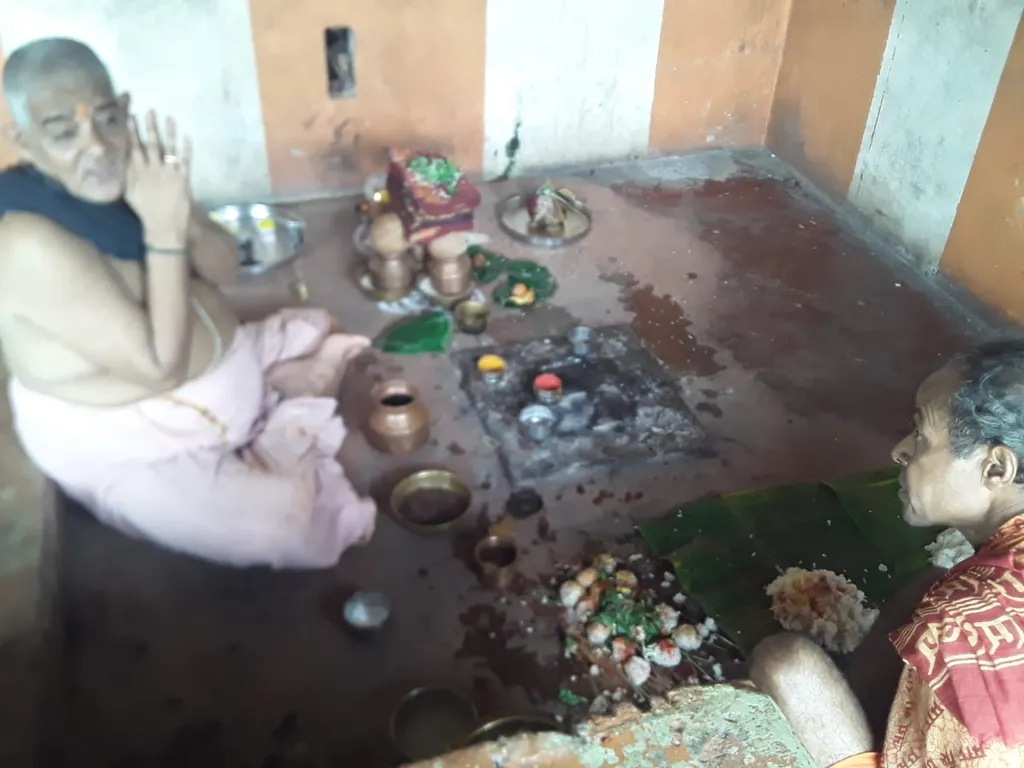
In practice two of these frequently sit together in one family, which is exactly why the combined Narayan Nagbali pooja at Gokarna exists: Narayana Bali releases the preta, Naga Bali settles the sarpa dosha, and the two are performed as one continuous vidhi over consecutive days. Where a death has occurred recently, the sequence usually begins instead with asthi visarjan at Gokarna and pind daan at Koti Teertha, and the larger remedial rites follow later.
How do I book a puja at Gokarna, and what details are needed?
Booking is done directly with the purohit — there is no agent and no portal in between. The sequence is short:
- Call or WhatsApp. Name the ritual if you already know it. If you do not, describe the situation and the family history and you will be told which pooja applies and whether one rite or two are needed.
- Share the family details. For the sankalpa we need the karta's name, gotra and nakshatra; the departed person's name, gotra and relationship to you; the date or tithi of death; and whether the death was natural or akaal mrityu. For a naga dosha or kaal sarpa dosha remedy, the horoscope reading is useful.
- Fix the tithi. The date is chosen from the panchanga — Amavasya (Amavasye), a Pitru Paksha day, Panchami for the naga rites — and confirmed to you before you book travel.
- Arrive a day early. Reach Gokarna the previous evening. The vidhi begins early the next morning after snana and sankalpa, and guidance on rooms near the temple compound is given when you book.
Give as much advance notice as you can. During the sixteen days of Mahalaya Paksha, on Sarva Pitru Amavasya and through Shravana the kshetra is at its busiest and dates go quickly. Urgent rites after a bereavement are a different matter — call and arrangements will be made at short notice. You can also send a pooja booking enquiry with your dates and we will call you back.
What is arranged for you, and what should you bring?
The intention is that a family arrives with nothing but their clothes and their ancestors' details. Arranged for you: the complete pooja samagri for the rite, the priests required for it, the temple formalities and permissions inside the Mahabaleshwar compound, the teertha arrangements at Koti Teertha or the sangama where the vidhi calls for them, the sankalpa in your own gotra, and guidance on where to stay and eat close to the temple. For the naga rites the silver or clay naga idol is arranged; for the homas, the til, ghee, samidha and kalasha.
What you should bring: traditional clothing for the karta and the family — a dhoti and upper cloth for men, saree or salwar for women; the names, gotra and relationship of the departed, written down if possible; the asthi kalasha if you are performing asthi visarjan; and a satvik frame of mind. Onion, garlic, alcohol and non-vegetarian food are avoided from the previous evening, and the karta normally fasts until the pinda pradana is complete. Because darshan of the Atmalinga is traditionally taken after the pitru karya rather than before, most families plan two nights in Gokarna even for a one-day pooja.
How much do the poojas at Gokarna cost?
We do not publish a price list, and you should be wary of any figure quoted before your ritual is known. What determines the dakshina is straightforward: which rite you are performing and whether two are combined; how many days it runs; how many priests officiate; the japa and homa sankhya you choose, since a Thila Homam of 1008 is not the same as a smaller one; the samagri the vidhi requires; whether stay and satvik food are arranged for the family; and the dana you wish to offer at the end. Tell the purohit those things on the phone and you will get one clear figure with nothing added later. The Gokarna pooja cost page explains what is included and what is extra in more detail.
Can the puja be performed if I cannot travel to Gokarna?
Yes. For devotees abroad, for elderly parents who cannot make the journey and for families who simply cannot get away, the ritual is performed at Gokarna on your behalf. The sankalpa is taken in your name, gotra and nakshatra, you can watch and participate over a video call at the appointed hour, and photographs, a recording and prasadam follow afterwards. The vidhi itself is not shortened or altered. The online pooja booking page for Gokarna sets out what you send, how the date is fixed and what reaches you afterwards.
Why perform these rituals at Gokarna rather than Trimbakeshwar or Gaya?
Gokarna's standing rests on the Atmalinga. The Skanda Purana relates how Ravana, carrying the linga of Lord Shiva towards Lanka, was tricked into setting it down here, and how it took root in the earth — which is why the town is also called Bhookailasa, the Kailasa on earth, and Rudrapada. Gokarna is counted among the sapta mukti kshetras, the seven places of liberation, and is spoken of as Dakshina Kashi, the Kashi of the South. At Mahabaleshwara devotees are still permitted to touch and worship the Atmalinga directly, a rarity among the great Shiva kshetras.
For pitru karya specifically the practical argument is as strong as the puranic one. Gokarna sits between Koti Teertha, the Aghanashini estuary and the Arabian Sea, so tarpana, pinda pradana and asthi visarjan can all be completed within walking distance of the temple. And because the full range of rites — narayan bali, nagbali, tripindi shraddha, tila homa, kshetra vidhi — is performed in one kshetra by one set of priests, a family that arrives needing two rituals does not have to travel to a second town for the second one. If you want the background to the place itself, read our introduction to Gokarna and its sacred geography and the guide to Shree Mahabaleshwar Temple and the Atmalinga.
Frequently asked questions
What poojas are performed at Gokarna?
Which pooja should I do for pitru dosha?
How many days does a puja at Gokarna take?
How much does a pooja at Gokarna cost?
How far in advance should I book a pooja in Gokarna?
Can a woman or a daughter perform these rituals?
Can the pooja be performed if I cannot travel to Gokarna?
Do I need to know the gotra and nakshatra of the departed?
Where exactly are the poojas performed in Gokarna?
Most requested poojas at Gokarna
Moksha Narayana Bali Pooja
Sacred ritual to free departed souls from the cycle of rebirth and help them attain moksha.
Naga Bali
Ritual to pacify naga dosha and seek the protection of the serpent deities.
Tripindi Shraddha
Three-pinda offering honouring paternal, maternal and one's own ancestral generations.
Planning your visit
- Gokarna priest contact number (+91 83109 37047 / +91 88613 21496) & booking
- Gokarna pooja cost guide — what determines the dakshina
- Online and remote puja booking at Gokarna
- Nagabali puja FAQ — procedure, rules and eligibility
- About Gokarna pooje and the other temple poojas
- Photographs of poojas performed at Gokarna
Not sure which pooja your family needs?
Describe the situation to Vishweshwar D. Bhat Gurulingaji and he will tell you which puja applies, the tithi on which it should be performed and everything your family needs to arrange.