
Kshetra Vidhi is the purification step performed inside the kshetra before a major ritual begins — the snana, shuddhi and sankalpa that make the family, the place and the day fit for the pooja that follows. It is rarely why a family comes to Gokarna; it is what they do first, on the morning of Moksha Narayana Bali Pooja, Tripindi Shraddha or Naga Bali (Nagbali) puja.
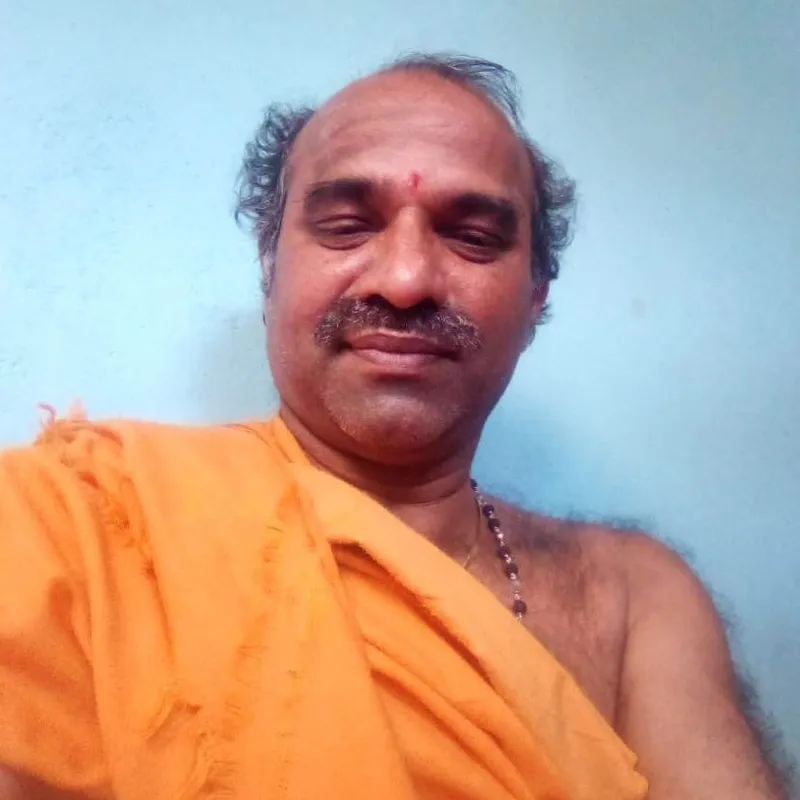
Our purohits perform it in the traditional Gokarna manner in the precincts of the Shree Mahabaleshwar Temple at Gokarna, under Vishweshwar D. Bhat Gurulingaji, Kshetra Gokarna Purohit. Below: what the vidhi is, which rituals it precedes, what happens step by step, and what to wear. Not yet chosen the main rite? Start with our pooja services at Gokarna.
What is Kshetra Vidhi at Gokarna?
Kshetra is a consecrated place; vidhi is the procedure the shastras lay down for it. Kshetra Vidhi — written in the South as Kshethra Vidhi — is the prescribed order of preparation observed in a holy place: the ground is cleansed, the vessels and seat purified, the family bathes in the teertha, and the sankalpa is made in which the gotra and the names of the departed are spoken aloud.
The closely related word Kshetra Shuddhi refers strictly to the purification of the place. Devotees use both terms for the same morning — and neither is a ceremony you make a separate trip for.
Which poojas is Kshetra Vidhi performed before?
Almost every ancestral rite performed at Gokarna is preceded by some form of purification. The ones families most often ask us about:
- Moksha Narayana Bali Pooja — the Narayan Bali puja for a soul that has not found rest.
- Tripindi Shraddha (Tripindi Shradh) — the three-pinda offering for three generations of pitrus.
- Naga Bali and Naga Pratishta — the nagabali and serpent-consecration rites for sarpa dosha.
- Narayan Nagbali, where both rites are performed together over two to three days.
- Pind daan and tarpan at Koti Teertha, and the Pitru Paksha shraddha rituals.
- Pitru dosha nivarana and parihara rites, where an astrologer has read pitra dosh.
The scale differs: a short pinda offering needs less preparation than a two-day narayana nagabali sequence. The purohit sets the vidhi when the booking is made.
Why is the kshetra purified before the main puja?
According to the shastras a ritual is performed by a fit person, on fit ground, at a fit time, and a lapse in any of the three is held to weaken it. Kshetra Vidhi addresses all three: the ground is cleansed, the family bathed and brought into the ritual purity called madi, and the muhurta fixed before the sankalpa. Devotees perform it seeking assurance that the puja they travelled for is taken up as prescribed.
Call +91 83109 37047 (Vishu Guruling) for all Gokarna pooja details
WhatsApp UsKshetra Vidhi procedure step by step
The order below is the shape of a typical morning at Gokarna, adjusted to the family's shakha and gotra and to the rite that follows. Treat it as a guide, not a fixed script.
- Reporting to the purohit. The names and gotra of the departed are confirmed and the day's order explained.
- Kshoura, where prescribed. Shaving of the head, observed for certain ancestral rites; the purohit tells you beforehand whether it applies.
- Snana in the teertha. Bathing at Koti Teertha, or as directed, with the sesame and water offerings prescribed for the pitrus.
- Madi and change of cloth. Part of the vidhi is performed in wet cloth; dry traditional dress follows.
- Kshetra Shuddhi. The mandapa, seat, vessels and samagri are purified with teertha water, darbha and the prescribed mantras.
- Punyahavachana. The kalasha is established and the participants sanctified.
- Sankalpa. The day, tithi, place, gotra, the names of the family and of the departed, and the purpose are spoken aloud.
- Darshan, as advised. Whether darshan of the Atmalinga comes before or after the ceremony depends on the rite — ask, because on some poojas the order matters.
The main ritual is taken up immediately afterwards, in the same sitting.
How long does Kshetra Vidhi take, and when does it fall?
Allow approximately one to two hours. It is performed before the main pooja, almost always early on the same morning, so the principal ritual begins within its muhurta. Where kshoura is prescribed, or a large family is taking snana in turn, start earlier.
Families arriving late, and those booked for a rite running over two or three days, are sometimes advised to complete part of the preparation the previous evening. That is settled when your dates are confirmed, which is why we ask for your travel plan at booking.
Who performs Kshetra Vidhi, and is anyone exempt?
The family performing the main ritual performs the preparation — chiefly whoever takes the sankalpa, which in pitru karya is usually the son, grandson or another member of the lineage. Others attending observe what the purohit directs for them.
The vidhi is not identical for everyone: elderly relatives, small children and anyone unwell are given what applies to them. Tell the priest in advance about anyone who cannot bathe in the tank or sit for long — alternatives are easier arranged beforehand.
Is mundana or kshoura required at Gokarna?
This is the question we are asked most often about the preparation, usually by someone who heard it from an elder. Kshoura — mundana, the shaving of the head — is traditionally prescribed for certain ancestral rites at a kshetra, and many families performing Narayan Bali or shradh here observe it. It is not asked of every visitor or for every ritual.
Whether it applies to you depends on the rite, your relationship to the departed and your family's custom. Ask before you travel — it cannot be settled in the ten minutes before a muhurta.
What to wear, what to eat, and what to avoid
Traditional dress is expected: dhoti or veshti for men, saree or salwar for women. Bring a second set, since part of the vidhi is performed in wet cloth after snana. Leather belts, wallets and footwear stay outside, and phones are kept silent.
Keep a satvik diet from the previous evening, without onion, garlic or alcohol; those taking the sankalpa come fasting. Photograph only with the priest's permission — see our gallery instead.
What does Kshetra Vidhi cost at Gokarna, and what is included?
No figure is published here. Kshetra Vidhi is not sold separately — it is quoted inside the ritual it precedes, and what it adds depends on how many are taking the sankalpa, what purification samagri is called for, and whether kshoura is prescribed.
On the call you are given one amount covering the priests, the samagri and the temple formalities for the whole sequence, with guidance on how many days to keep free. Nothing is added afterwards. See also pooja cost at Gokarna.
How a sacred place itself is consecrated
Kshetra Vidhi is also used in a wider sense — the consecration of a temple or newly dedicated sacred ground, so the place becomes fit for worship. That ceremony follows this order:
- Selection of an auspicious time, on specific tithis or favourable planetary alignments, read from the panchanga by experienced priests.
- Purification of the physical space — a thorough cleansing of the premises, free of impurity and clutter.
- Installation of sacred yantras or idols — geometric diagrams representing divine energies, or images of the deities, as focal points of the consecrated area.
- Invocation of the divine energies, with mantras and the prescribed rituals for the deities associated with the place.
- Energisation of the space. Vedic hymns are recited, herbs, flowers and holy water offered, and the sacred fire or lamps lit.
- Devotional practices — chanting, hymns and prayers, strengthening the atmosphere established during the ceremony.
- Prasadam, distributed among all who attended.
A visiting family does not book that larger consecration at Gokarna, a teertha kshetra of many centuries' standing — but it is the same word, so it helps to know which sense is meant. Our guide to Gokarna and its teerthas explains why the town is revered as Dakshina Kashi.
How to book Kshetra Vidhi with your main pooja
Book the main ritual and the preparation together — it is the only way the timings work. Call +91 83109 37047 or +91 88613 21496 and speak to Vishweshwar D. Bhat Gurulingaji directly, or send the same details on WhatsApp. Have ready: which pooja you intend to perform, the names and gotra of the departed, your relationship to them, and your dates.
You will be told what preparation your rite needs, whether kshoura applies, what time to reach the temple and what to bring. Prefer to write? Use our contact page, or see how online pooja booking at Gokarna works for families who cannot travel.
Kshetra Vidhi at a glance
- How long it takes
- Approx. 1–2 hours
- When it is performed
- Performed before the main pooja
- Who performs it
- The family performing the main ritual
- What we arrange
- Purification samagri and priest guidance
- Also known as
- Kshethra Vidhi, Kshetra Shuddhi
- Where
- Shree Mahabaleshwar Temple Compound, Gokarna, Uttara Kannada, Karnataka
Frequently asked questions about Kshetra Vidhi
What is Kshetra Vidhi at Gokarna?
Is Kshetra Vidhi compulsory before Narayana Bali or Tripindi Shradh?
How long does Kshetra Vidhi take?
Is head-shaving (mundana) required at Gokarna?
What is the cost of Kshetra Vidhi puja at Gokarna?
Where is Koti Teertha snana performed, and what facilities are there?
What should I wear for Kshetra Vidhi?
Can Kshetra Vidhi be done on the same day as the main pooja?
What is the difference between Kshetra Vidhi and Kshetra Shuddhi?
Poojas that follow Kshetra Vidhi
Perform Kshetra Vidhi at Gokarna
Speak to Vishweshwar D. Bhat Gurulingaji for auspicious dates, the vidhi procedure and complete arrangements for your visit.